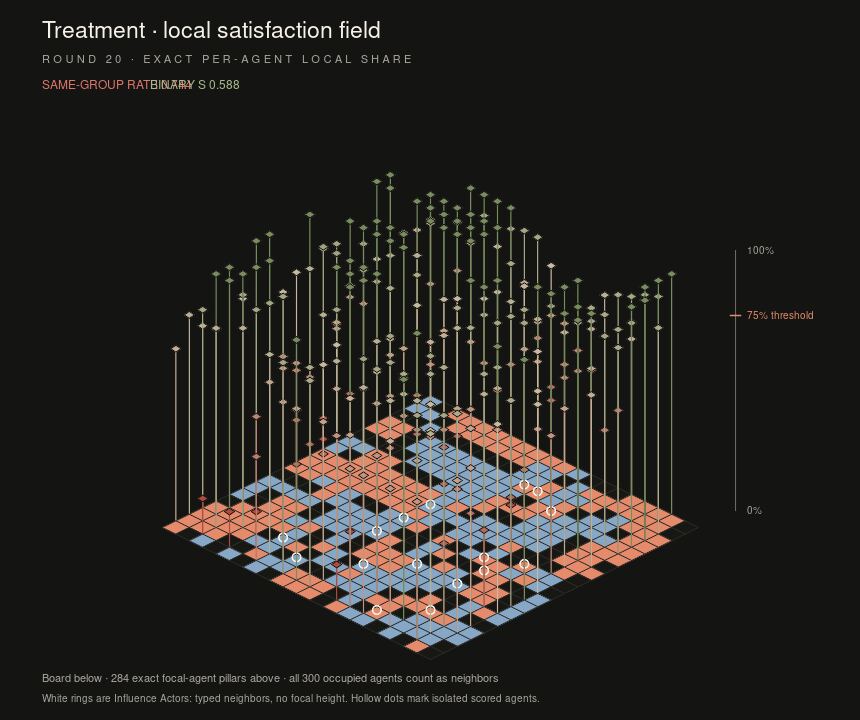
Benchmarking Self-Organized AI Swarms in Steering Complex Systems
MAM-Bench tests whether decentralized groups of coordinating AI agents can intentionally steer an emergent system toward a specified outcome they only partially control.
MAM-Bench tests whether decentralized groups of coordinating AI agents can intentionally steer an emergent system toward a specified outcome they only partially control.
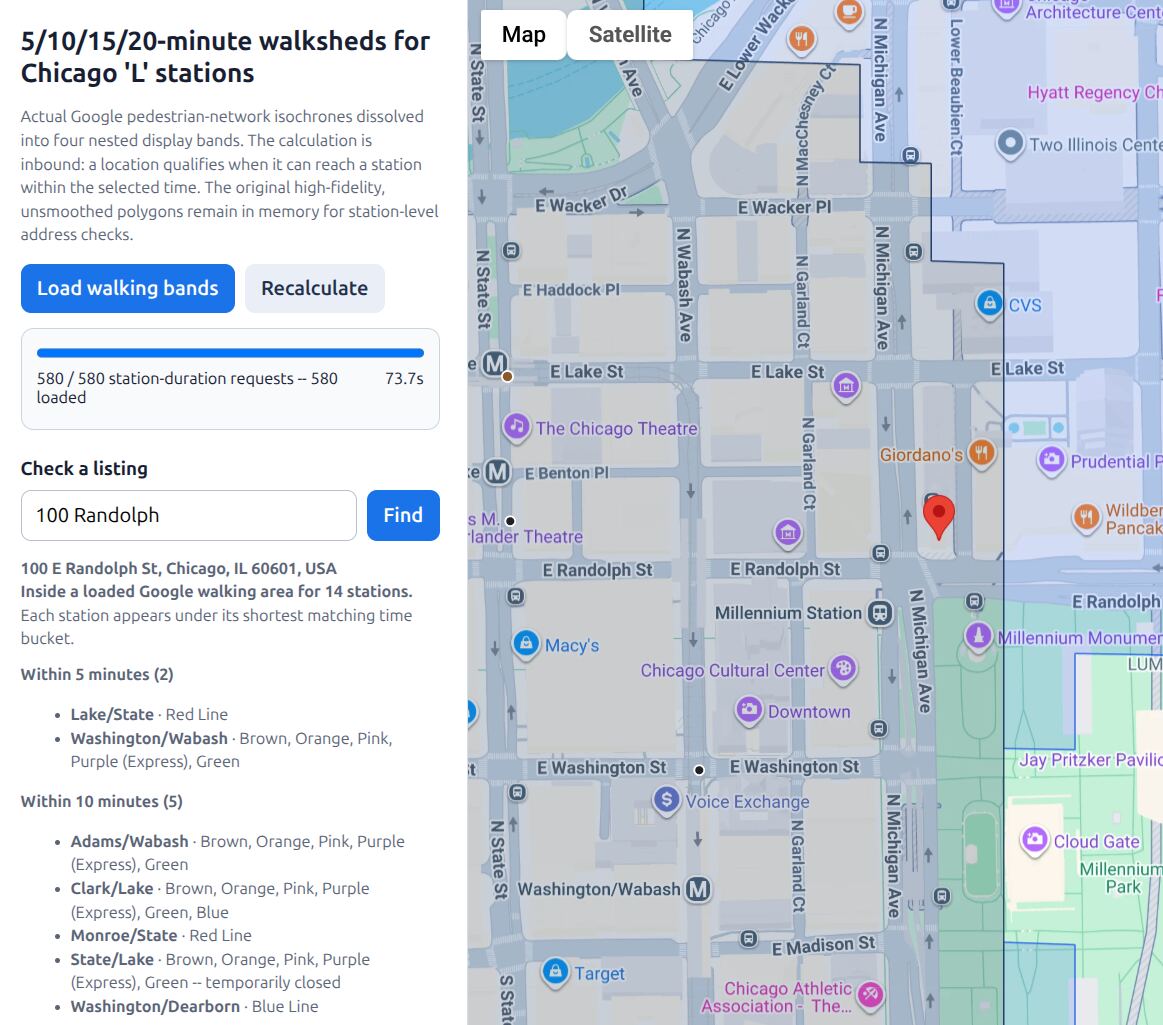
An interactive map built from 580 inbound Google walking isochrones, showing which parts of Chicago can reach any 'L' station within 5, 10, 15, or 20 minutes.
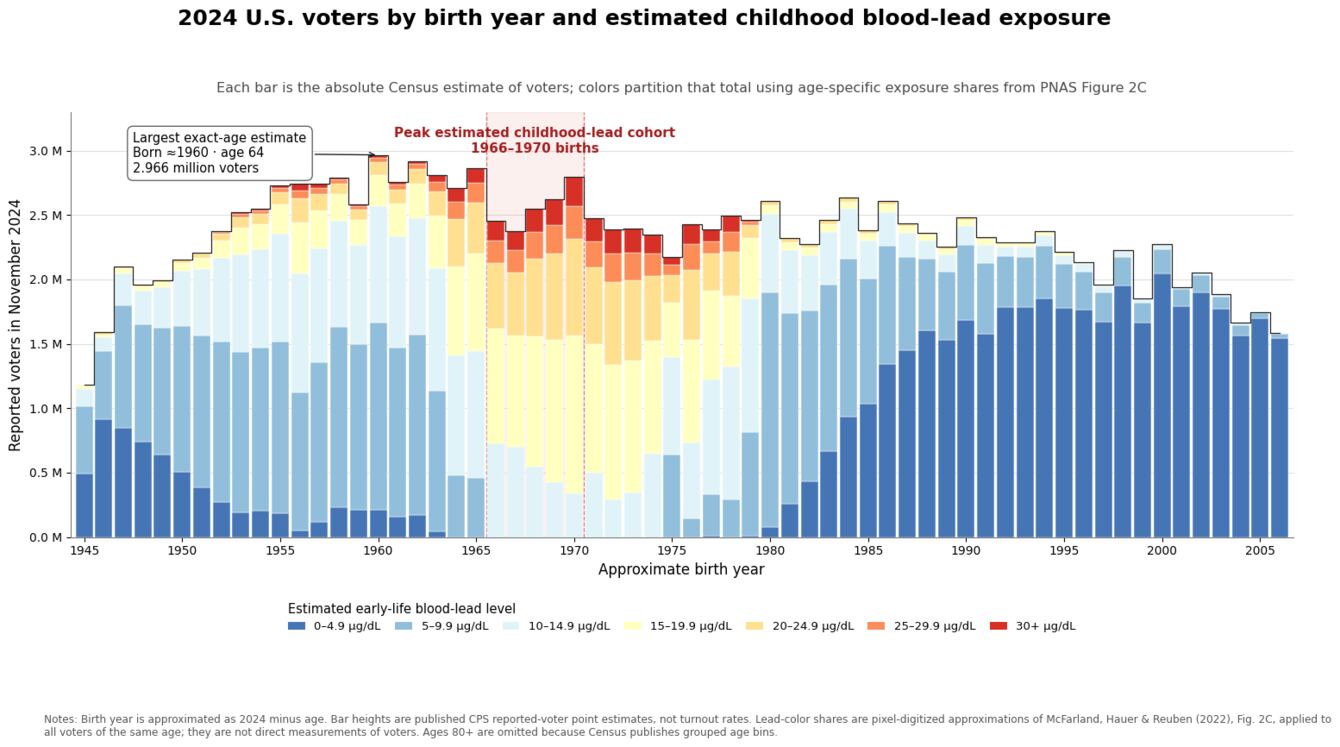
A cohort-by-cohort view of reported 2024 voters, partitioned by estimated early-life blood-lead exposure.
A local Docling-based skill for giving terminal agents enough PDF context to read academic papers--text and page images.
I wanted terminal agents for the agent loop and VS Code for reading code, so I reverse engineered Claude Code's IDE bridge and pulled the useful bit into Pi.

I pulled GLaDOS voice lines from the Portal game files, reconciled transcripts against the Portal Wiki, hand-reviewed the messy cases, and trained a local TTS model.

Gemma 4 accepts raw audio as multimodal input now, so can it match a dedicated ASR model for transcription? Ran 50 LibriSpeech samples on an RTX 3090. Not even close.
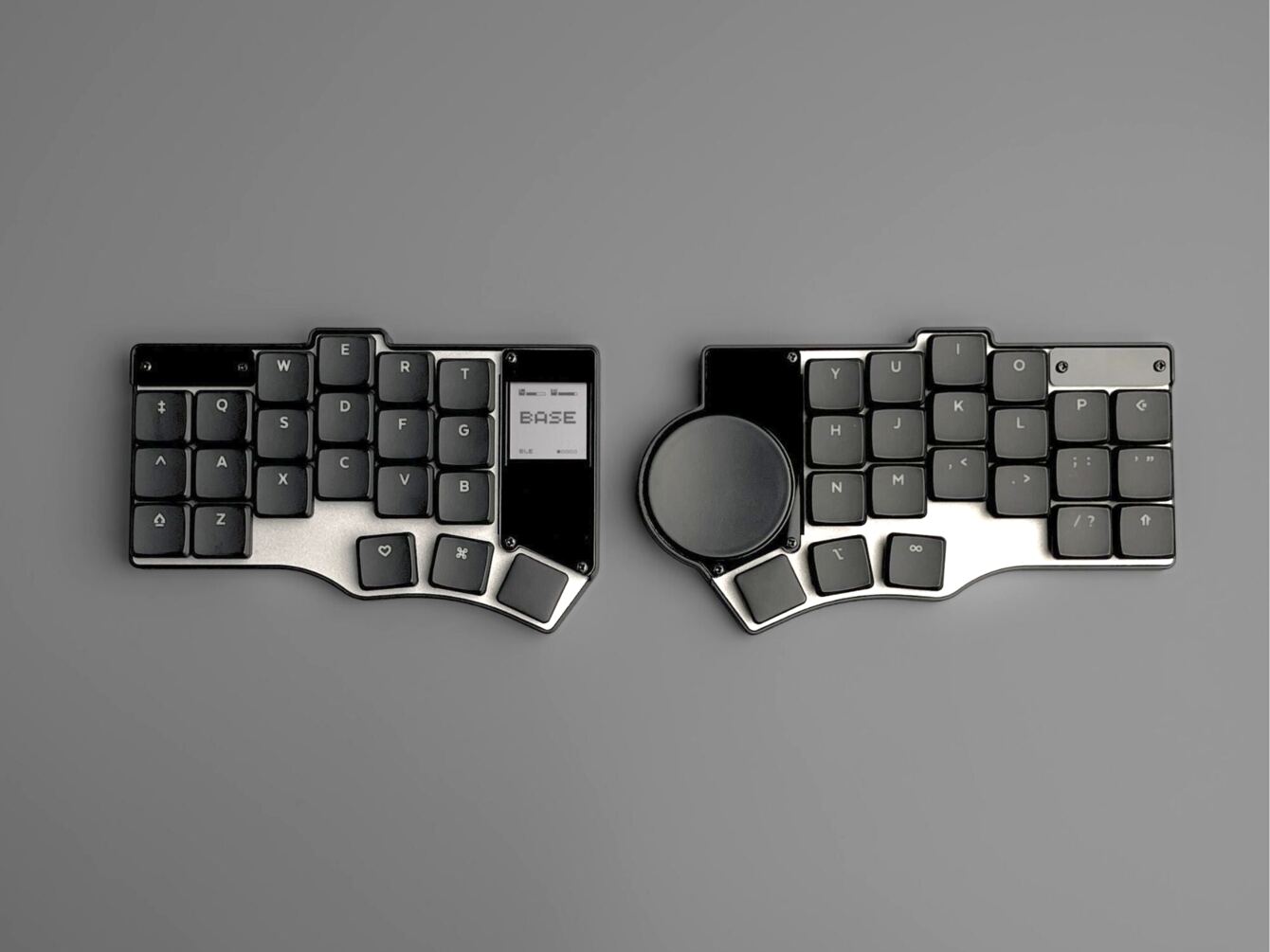
Working through a keymap to a new Corne layout keyboard. First time using ZMK and doing layouts via firmware files in C
An experimental targeted deep research tool I built to help in my own PhD application process. I've rebuilt it to be more robust and open sourced it to share it with the community. The former hosted demo is now archived.

This article looks at the empirical data on protests in authoritarian countries as a function of regime type and information control, then constructs an agent based model to examine how the effect of uncertainty can help explain the differences in protest and resistance movements in these differing regime types.
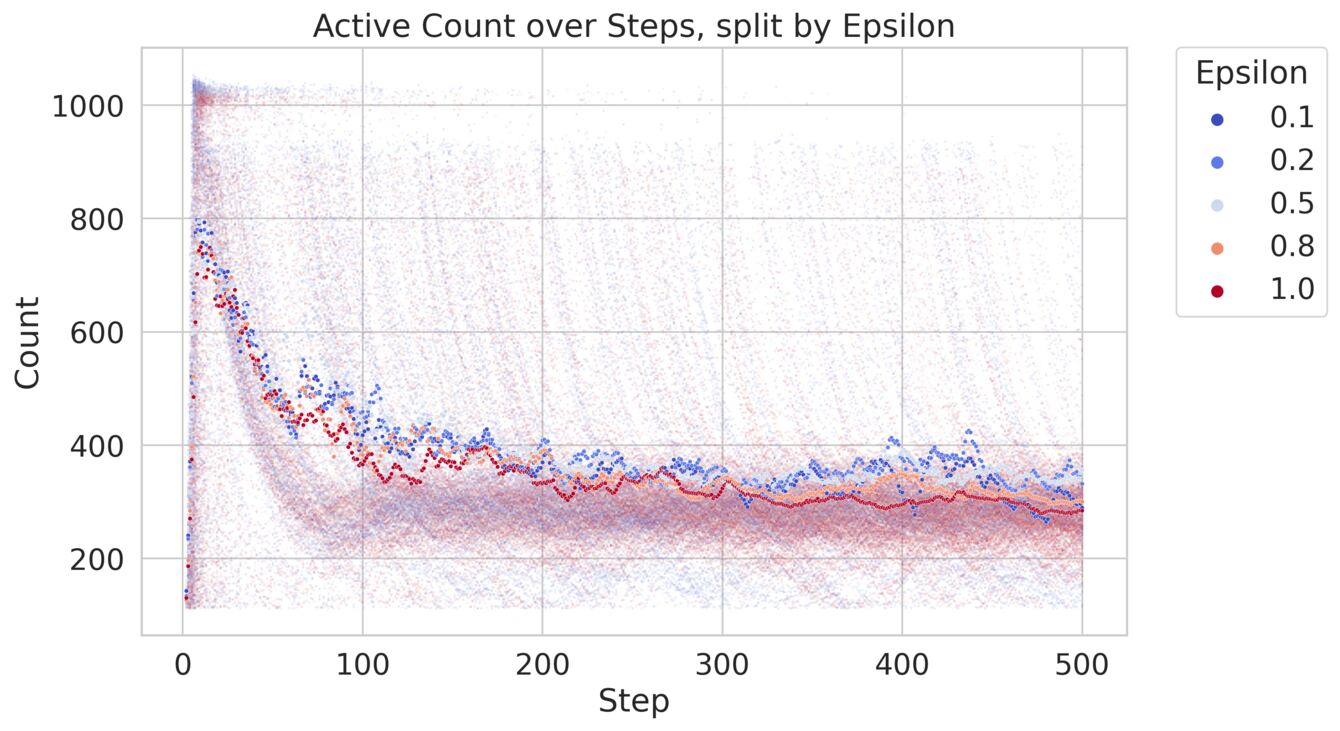
A quick jot of notes on how I use AI tools
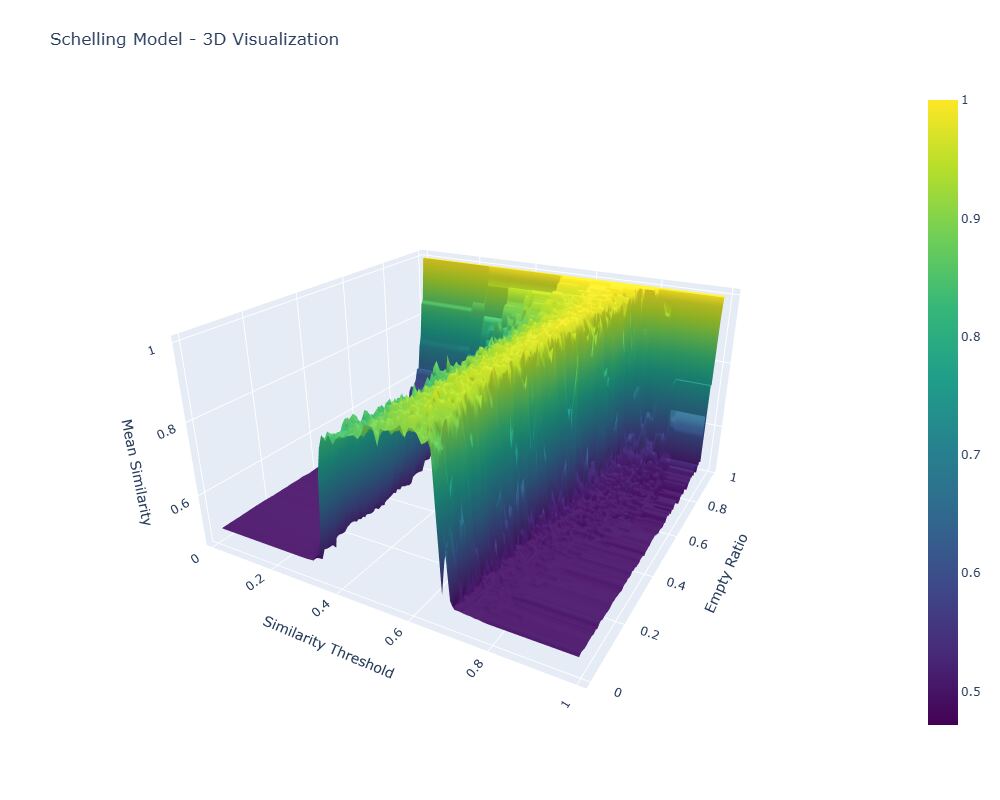
Thomas Schelling's segregation model demonstrates how individual preferences can lead to complex social patterns. Here I visualize the results of a grid search across two parameters as a 3D manifold with ML outcome predictions.